


Twice a year, like clockwork (or, in this case, like a Canadian platform), Shopify releases its Shopify Editions—a massive roundup of new developments, features, and upgrades that makes anyone immersed in the world of ecommerce feel a little like a kid in a candy store. This year, too, the Summer 2025 Edition doesn’t disappoint: dozens of new developments touching nearly every part of the store—from the storefront to order management, analytics, and the customer experience. But among all this information (if you’d like to go straight to the source, you can visit here)—what really matters and is relevant to Israeli brands?
So you don’t have to go through it all on your own, we sat down, dug deep, and sorted through it all to bring you the best of: the most interesting, practical updates with the greatest potential to impact your business.
Let’s dive in.
Shopify’s new theme collection: build a store with a little AI magic
This summer, Shopify released 10 new themes as part of its modular Theme Blocks collection.
Instead of a fixed design, every page element—product pages, banners, reviews, and even videos—is built from flexible blocks that are easy to arrange and edit right in the editor.
The truly interesting innovation is behind the scenes: AI built right into the editor.
Have an idea? Write a prompt, and the block is built right before your eyes.
And it’s not just about convenience—the direction is clear: Shopify is making store editing more intuitive, dynamic, and suited to the pace of brands today—brands that want to respond quickly, refresh, update, and adapt their stores in real time.
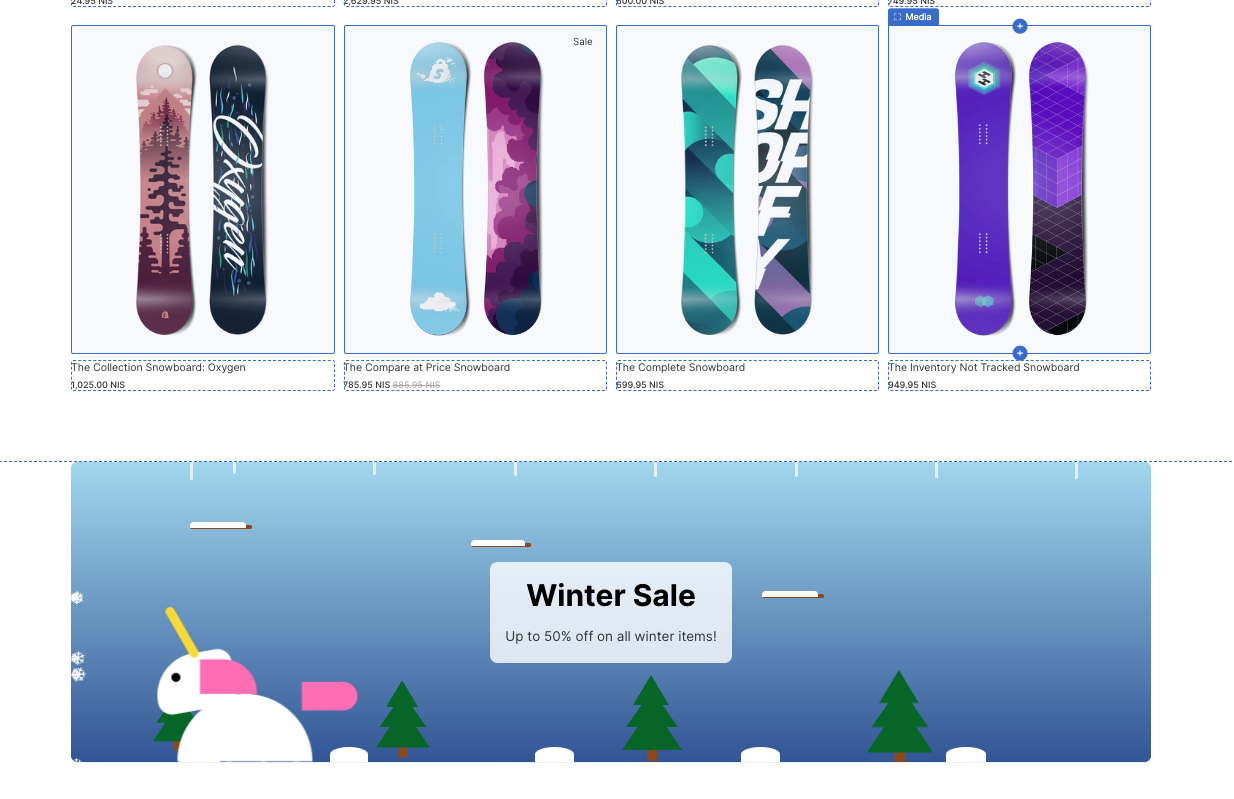
In an initial test, we asked the AI to create a banner for a seasonal promotion with a creative twist (a unicorn running against a wintery backdrop).
The banner was built in minutes. Would we put it up as is on a brand’s store? Probably not. But as an experiment, it was very impressive—and it lets creative teams work much more independently.
The new Sidekick: more than a personal assistant—almost a team member
The new version of Sidekick significantly expands its capabilities. Beyond answering questions, it can now perform in-depth analyses based on store data and suggest focused strategies and actions for improvement—just like a Shopify expert working closely with you.
You can also talk to it in Hebrew (even though that’s not yet mentioned in the official documentation), create visuals directly from the Admin using a few keywords, and work with it on mobile—including through voice conversations (a feature rolling out gradually). You can already use it to perform actions directly in the Admin, such as creating discount codes, opening collections, and setting up promotions. We asked Sidekick for suggestions to improve one site’s SEO, and within minutes got an analysis and a practical list of steps. It’s no substitute for in-depth work, but it’s certainly a tool that helps teams make fast, data-driven decisions and carry out important tasks.
Shopify POS gets an upgrade, too
The new version of Shopify POS takes the system several steps forward: from a payment tool to a platform that delivers a consistent shopping experience in physical stores and online. The design has been refreshed, navigation is more intuitive, and working across devices—including mobile—is faster and smoother, all to help teams deliver service that continues the experience customers have on the website.
But the feature that really matters to us (and especially to the brands we work with) is the option to offer store credit as a refund method. Customers can use this credit both online and in physical stores, regardless of where they made their purchase. It may seem like a small fix, but it can have a big impact on customer service and a consistent brand experience.
Faster checkout, designed for complex logistics models
This Edition adds several Checkout upgrades designed to improve the payment experience and reduce abandonment:
Checkout now loads nearly two seconds faster, improving the flow and shortening the time from adding products to completing a purchase. Flat Rate can also now be applied to Split Shipping, so customers aren’t faced with separate, confusing shipping fees when products are shipped from different warehouses or branches.
Brands operating complex logistics models (multiple warehouses, or a mix of online and offline) can benefit directly from these upgrades, both through an improved user experience and higher conversion rates.
Global sales—another improvement to cross-border selling
Here, too, Shopify is adding tools designed to reduce friction and improve the shopping experience for international customers. You can now collect duties and taxes directly at Checkout, and choose to include them in product prices so customers see a clear total cost with no surprises.
There’s also a new option to add a cookie banner right inside Checkout , alongside an Audit Log that records customer consent to meet regulatory requirements such as GDPR.
Not every brand we work with uses Shopify Markets, but for those targeting markets such as Europe and the U.S., these tools can help ensure a smooth and transparent purchasing experience.
Marketing—new tools for the age of AI, smart segmentation, and targeted campaigns
Among the exciting summer updates is Knowledge Base—a new tool that lets you edit the information Shopify’s system shares with AI search engines like ChatGPT, Gemini, and others. And why does this matter? Because more and more customers are starting to get answers about a store not through the store’s search or Google, but through a conversation with AI. To ensure your brand is represented accurately, you need to make sure the information fed into the system is up to date, accurate, and represents your store correctly.
In other words, this is a new layer of SEO — not just how your site ranks, but how AI understands it. The service is available through Shopify’s free app which you can download here.
Additionally, Segmentation Templates have been added for quickly building customer segments, and Campaigns tracking has launched for managing and tracking multichannel campaigns, including connections to campaigns outside Shopify. Shopify Collabs is also expanding. It’s a platform for partnering with content creators that lets brands recruit and manage influencers, track performance, and pay commissions—all directly within the system, with creators themselves able to access the data. We’re already seeing more Israeli creators on Collabs, making it an option worth exploring for brands active in this space too.
Shipping — more control and efficient management from the Admin
Shopify is also adding shipping upgrades designed to make logistics management simpler and more convenient—especially for brands operating across multiple warehouses or locations.
The key new feature is the ability to print pick lists directly from the Admin, including product images and details. This helps reduce errors and streamline order fulfillment.
Also added is the option to print shipping labels in batches (up to 250 at a time), along with a significant upgrade to inventory management across locations using barcode scanning.
The system now also lets you split items between locations and track transfers and inventory more easily.
Brands with more complex logistics operations will find upgrades here that greatly simplify day-to-day work and reduce the little hiccups that add up in operations.
Operations — less reliance on external tools, more management and analytics capabilities within Shopify
One of the standout directions in this summer’s Edition is bringing more management and analytics capabilities into the Admin, so teams can make business decisions and design workflows without relying on external tools.
At the heart of the upgrades is ShopifyQL—a simple language for creating and saving custom reports directly in the system. In many cases, this eliminates the need for external BI tools for routine analysis. Web Performance Reports have also been added, providing reports on site performance by page and page type—an important tool for anyone looking to improve UX and conversions.
Shopify Flow has also received a major upgrade: the automation-building flow is now more user-friendly and intuitive, with Sample Data built into the editor and the ability to test what actually happens. This makes it easier to build, test, and improve automations, even without writing code.
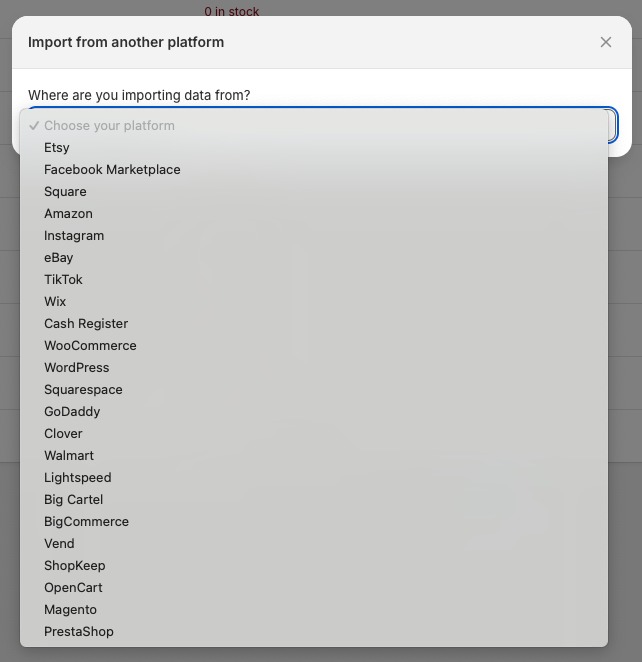
Additionally, importing data from other systems (Square, WooCommerce, Etsy, Amazon, and more) is now easier, making things simpler for multichannel stores or those transitioning to Shopify.
Summary
Shopify keeps moving forward, and every Edition brings tools that help brands work smarter, faster, and more effectively with their customers.
As always, not every new feature is right for every store, but those who know how to choose and implement the right ones can gain a significant competitive advantage.
If you’d like to understand which of these updates are right for your business and how to implement them in a way that serves your brand, we at BOA Ideas are here to help.


